The promise is simple: a practical, data‑ready lifecycle you can run tomorrow
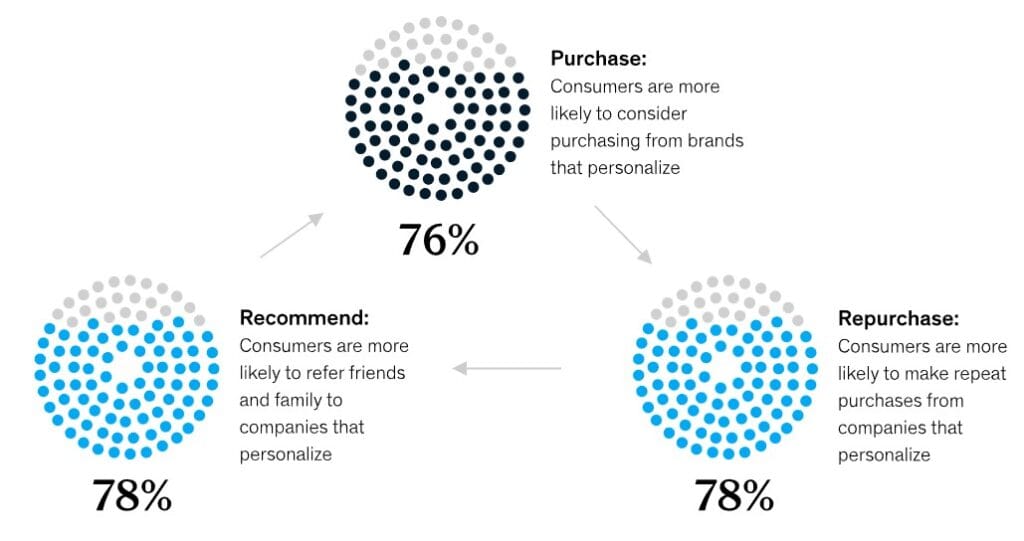
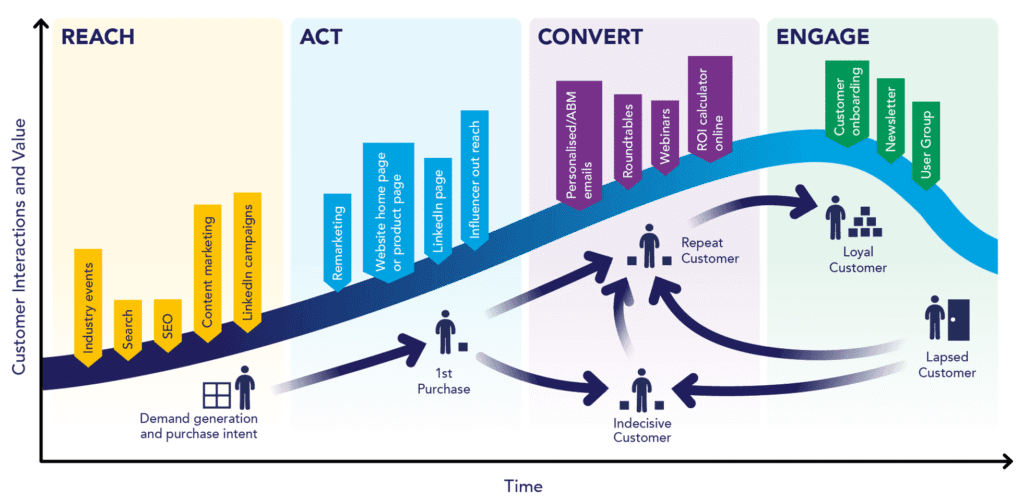
A decade of research—most famously McKinsey’s work on the consumer decision journey—shows the classic “funnel” no longer explains how people choose. The lifecycle behaves like a loop, and in iGaming a series of overlapping loops, as seasons shift, fixtures appear, and habits breathe. Players circulate through acquisition, activation, retention and reactivation not once, but repeatedly.
The operating idea is personal rhythm. Every player carries a private “churn clock,” visible in their Time Between Key Actions (TBKA). Track that rhythm and intervene before it snaps to prevent drift cheaply. If you miss the moment, re‑enter at the next believable intent trigger—typically a followed fixture or a familiar format—without spending beyond the value you can realistically earn back. A few working terms keep us aligned: a churn clock is the behavior‑based threshold at which a player is likely to go dormant (never a universal D‑30 rule); TBKA is the interval between actions that matter for that persona; hook attainment is the first aha (a successful cash‑out, a quick‑settling single, or a three‑leg builder that feels fun rather than stressful); and fixture adjacency lift is the natural conversion rise within ~24–48 hours before events a player actually follows. Whenever incentives appear, assume moderated EV under a segment cap and a clear negative‑GGR policy—cost never outruns value. Use this backbone to attach the perfect CRM strategy for your brand; I’ll help you fit it to your data, seasonality and guardrails.
Acquisition — earning the shortlist
Acquisition begins long before a sign‑up form. Trust does the heavy lifting: licensing that is visible, payout proofs that arrive fast, and security that is explained like you mean it. Presence where decisions actually happen matters just as much: affiliates, comparison pages and search surfaces that attract high intent. When the player finally clicks through, the experience should feel like a straight hallway. KYC and payments show progress, not friction; the product’s edge—odds, live features, depth in local leagues—appears immediately; and a first bet path is so obvious that hesitation has nowhere to sit. Over‑bonusing at this point buys deposits that rarely grow roots. What wins is speed to the hook and the feeling that this brand keeps its promises.
Onboarding — reaching the hook, start the lifecycle
Onboarding is the art of making the first success inevitable. Define the hooks by persona: the live‑first fan needs a ten‑second demo that shows the cash‑out story; the parlay‑first player wants their last three‑leg builder waiting to be confirmed; a casual singles bettor needs a clear, low‑stakes path that settles quickly. Progressive disclosure helps more than any tutorial—show only the next best action and earn notification permissions by offering timely, specific value rather than generic pings.
Momentum is your best incentive. Day one is about one successful bet and one clear call to action. By day three, the content rail should already feel personal—teams followed, leagues cared about, formats they have actually used. By day seven, introduce one advanced feature, not all of them. Players who experience a fast payout or a controllable cash‑out stop thinking about variance and start believing they can steer. Large pre‑confidence bonuses do the opposite: they magnify regret and slow learning.
Retention — where customer lifecycle turns to profit
True retention is a timing problem. Track TBKA against the personal baseline and look for cooling signals before a no‑show: opens without bets, slips built but not placed, a browsing depth that shortens. Most of the work happens mid‑week, when intentions are formed. A gentle prompt about an upcoming derby the player actually follows is worth more than a wide reload. Format bridges matter as well: a parlay‑first player can be eased back with insurance when cadence slips, while a live‑first fan may respond to a saved builder and a reminder that cash‑out is still there if nerves kick in.
The emotional layer is not decoration. After rough variance, players benefit from smaller, more controllable steps—singles with best‑odds, insured parlays, or even a week of browsing and content. Make control conspicuous: cash‑out, limits, time‑outs and quiet hours. Seasonality must be respected too. An EPL‑only player in June is not attrition; they are simply hibernating. Treating everyone as D‑30 churn is how budgets disappear into the wrong pockets.
Retention collapses when public promos collide with personalized ones and no one counts the full cost. The fix is dull but powerful: caps by value tier, a documented negative‑GGR policy, and frequency rules that keep contact below one touch per channel per day and no more than a few per week overall. Celebrate small wins on the weekend, but resist the urge to shout. Quiet confidence keeps people around.
Reactivation — if you can’t avoid it, at least do it right
Reactivation is not a synonym for “send a reload after thirty days.” Start by separating dormant players from seasonal hibernators. Then map real intent triggers to history: the derby they always watch, the market they last enjoyed, the format that once felt good in their hands. The first message is content, not cash. A short storyline before a followed fixture opens the door. Closer to kickoff, you can offer a bridge that matches the persona—insurance for the parlay‑first, a best‑odds single for the control‑seeker. Near the event or in‑play, one clear call to action is enough. VIPs may warrant a human voice; everyone should have a no‑bonus route back.
Cost discipline is the gatekeeper. Reactivation sends only pass when the projected ROI clears the segment’s threshold, and stacked public plus personal promos are treated as a single, real cost in reporting. Odds and fees deserve the same transparency here as they do on day one, and limits should be easy to revisit on the way back.